Getting started

What to expect when you get in touch

Therapists and Assessments for children Australia

Beginning your journey
with Humanity Health Kids

1. You contact us

You complete a referral form or enquiry form.
If you are unsure just give us a call or send us an email.
We are happy to guide you.

2. Getting to know your child

Our lead therapist will complete an initial assessment with your child and family or carer. This will be shared with the multidisciplinary team.

The lead therapist will walk you through the Schedule of Supports and Service Menu, so we can understand your preferences for assessment, intervention and reporting.

3. Treatment Plan and Intervention

The team at Humanity Health Kids will work closely with you and your child to propose an approach to therapy that supports your child’s goals.

Benefits:

  • One tailored plan for your child that includes integrated resources, goals and instruction.
  • A copy of the agreed intervention plan, which you can share with key people in your child’s life and use to chart progress.
  • Simple, easy-to-understand ‘next steps’ for your family.

2. Treatment Plan and Intervention

3. Tailored, Ongoing Assessments and Reports

Humanity Allied Health hosts events, group programs and unique therapies, supported by our team of allied health clinicians, to provide social and educational opportunities for those living with a developmental delay or disability.

These outcomes-focused events and programs have been designed for participants, support workers, carers and organisations alike.

Discover our programs >>

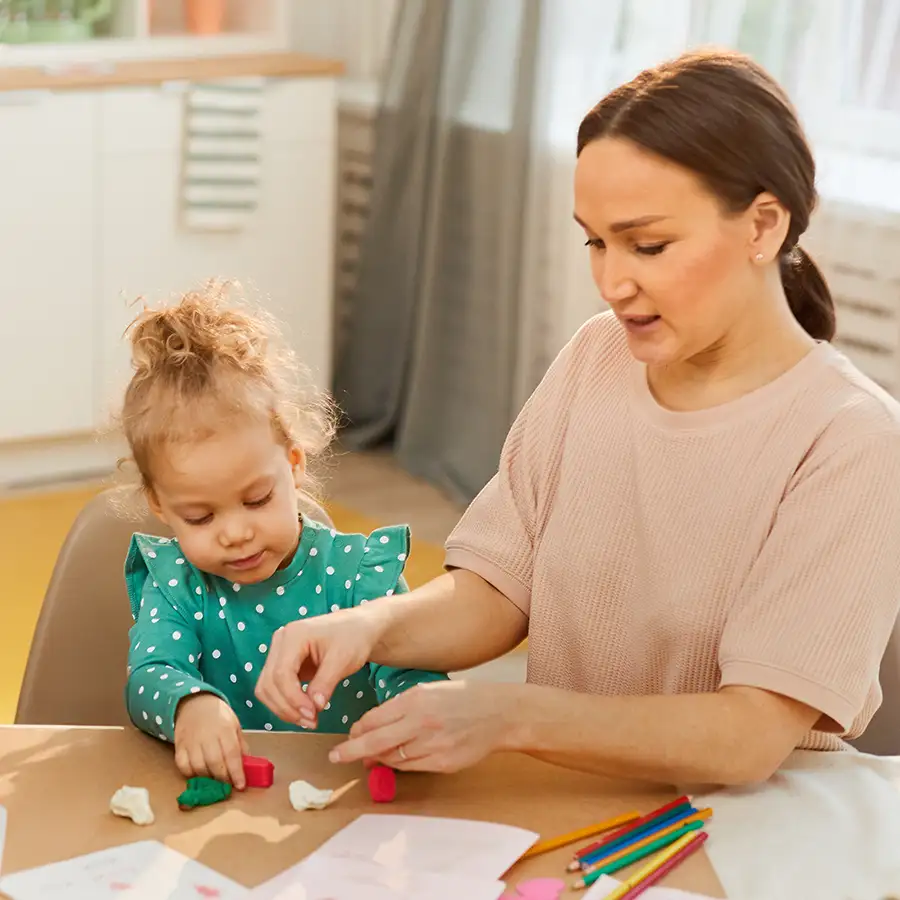
At Humanity Health Kids our therapists work together across disciplines, shaping care around your child's needs.

Humanity Health Kids works with private clients, Thriving Kids and NDIS participants and their families to offer cost-effective, comprehensive assessments, tailored plans and ongoing training to achieve NDIS goals for participants from 0 to 15 years of age.

Our services for kids include occupational therapy, speech pathology, physiotherapy, positive behaviour support and psychology/counselling. This can include paediatric assessments, intervention and group activities.

Our therapists work together across disciplines. For example, if a child is working on communication and also finds it hard to sit and focus during activities, their speech pathologist and occupational therapist might work together.
The speech pathologist can focus on building language skills, while the OT looks at sensory or attention needs that might be getting in the way. Working together means each therapist understands the full picture, not just their part of it.